 Collage: Jemeria Davison; Source images: Courtesy of brandsSave this storySave this story
Retinol is the G.O.A.T. of skin-care ingredients, and the best retinol serums have the most potent (and therefore, effective) concentrations of the gold-standard active. Dealing with acne or dark spots? Found some enlarged pores? Noticing fine lines popping up on your forehead? Retinol addresses all of these concerns (and more!) by boosting cell turnover and collagen production, which is especially important as we age and our bodies can't produce as much of its own collagen. Best of all, everyone—even those with sensitive or breakout-prone skin—can benefit from this "rockstar ingredient," as David Kim, MD, a board-certified dermatologist in New York City, puts it.
Our Top Retinol Serums
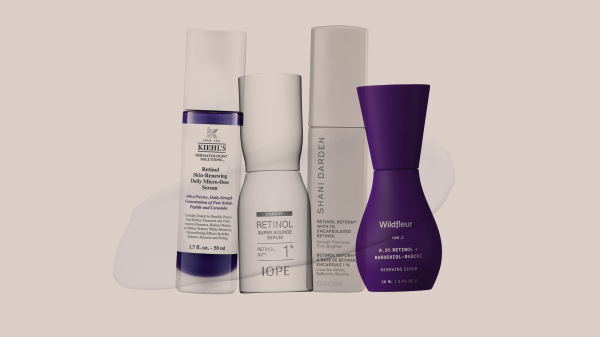
- Best Overall: IOPE Expert Retinol RX 1% Super Bounce Serum, $49
- Best for Beginners: Kiehl’s Micro-Dose Anti-Aging Retinol Serum, $95
- Best for Sensitive Skin: Wildfleur Pure Retinol 0.3% + Bakuchiol Renewing Serum, $26
- Best Exfoliating: Shani Darden Retinol Reform, $75
- Best for Mature Skin: Dermalogica Dynamic Skin Retinol Serum, $99
- Best Hydrating: The Ordinary Retinol 0.5% in Squalane, $9
- Best for Fine Lines and Wrinkles: iS Clinical Retinol+ Emulsion 0.3, $117
Frequently Asked QuestionsLargeChevron
- What are the most common types of retinol found in skin-care products?
- What concentrations do you recommend for patients just starting out with retinoids?
- What active ingredients should be avoided when using retinol?
- How often should you be using a retinol serum?
- Does retinol help with acne?
- Can you apply retinol anywhere other than your face?
- Which moisturizer should you use with a retinol?
- Meet the experts
- How we test and review products
- Our staff and testers
Before you start shopping, let's take a step back and clarify what retinol actually is. Retinol is a vitamin A derivative and only one of several types of retinoids. "Retinoids are the general term that includes all the vitamin A derivatives, both natural and synthetic," Caroline Chang, MD, a board-certified dermatologist based in East Greenwich, Rhode Island, told Allure. As you browse, you'll spot any of the following ingredients: retinoic acid, retinol, and retinyl esters (such as pro-retinol).* Skin-care brands offer a wide range of concentrations for said ingredients, typically between 0.1% to 1%, but the golden rule across the board is to start low and slow.
*Important note: Due to the rise in popularity of retinaldehyde (or retinal, for short), we've designated a standalone roundup for the best retinal serums.
At last, here are the best retinol serums recommended by dermatologists and Allure editors to consider incorporating into your skin-care routine.
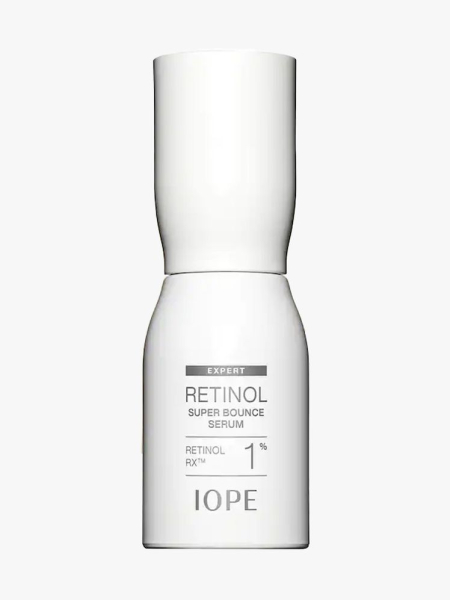
Best Overall: IOPE Expert Retinol RX 1% Super Bounce Serum
 Save to wishlist
Iope
Expert Retinol RX 1% Super Bounce Serum
Sephora
Soko Glam
Why it's worth it: IOPE’s Expert Retinol RX 1% Super Bounce Serum is a Korean skin-care favorite that utilizes not one, but four retinoids—pure retinol, encapsulated retinol, Granactive Retinoid (a stabilized retinoid complex), and Bio-Seletinoid (AmorePacific's proprietary synthetic retinoid)—to soften signs of aging, address loss of firmness, and clear breakouts. Since it's designed for a slower, gentler release, encapsulated retinol is meant to cushion potential irritation, making this a solid pick for sensitive skin. Soothing cypress leaf extract and Lactobacillus ferment step in to calm redness and repair your barrier. Just apply a pump or two in the morning and evening, follow with SPF, and you're all set.
Allure commerce editor Sarah Han applying the Iope Expert Retinol RX 1% Super Bounce Serum
Sarah Han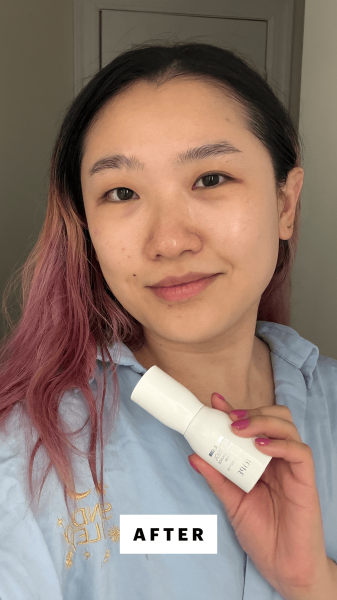
Han after applying the Iope Expert Retinol RX 1% Super Bounce Serum
Sarah Han
Tester feedback from commerce editor Sarah Han
LargeChevron
“Now that I’m firmly in my 30s, I use a retinol serum almost every night to keep signs of aging at arm’s length. More times than not, I reach for IOPE’s extra-silky, extra-melty Retinol Bounce, which leaves my skin looking noticeably plumper after the fact—and well into the next morning. I haven’t had any purging episodes, even after I return to Retinol Bounce after testing other brands (the life of a beauty editor, eh!).” —Sarah Han, commerce editor
More to know
LargeChevron
- Other key ingredients: Lactobacillus ferment, cypress leaf
- Who it's for: everyone
- Fragrance-free: yes
- Retinol concentration: 1%
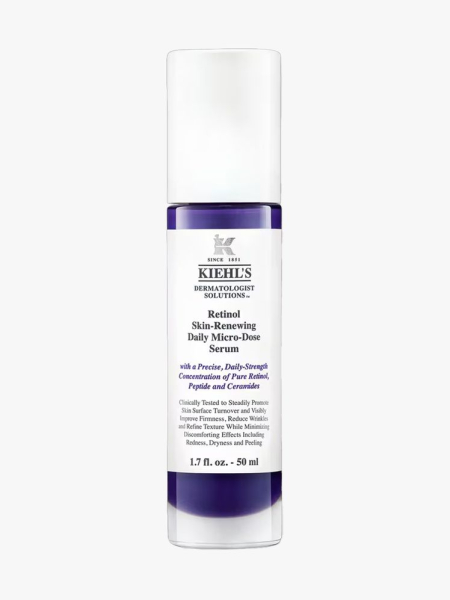
Best for Beginners: Kiehl’s Micro-Dose Anti-Aging Retinol Serum
 Save to wishlist
Kiehl's Since 1851
Micro-Dose Anti-Aging Retinol Serum
Amazon
Nordstrom
Ulta Beauty
Why it’s worth it: New to retinol? Start with Kiehl’s Micro-Dose Anti-Aging Retinol Serum, which has one of the lowest concentrations of retinol on this list at 0.1%. It’s also packed with barrier-strengthening ceramides that help skin hold onto moisture (no dry patches here) and plumping peptides. The formula is fragrance-free—a bonus for those with sensitive skin—and absorbs quickly without leaving a greasy residue behind. Whether you’re targeting fine lines, large pores, uneven texture, or all of the above, one pea-size drop of this serum is all you need.
Allure senior commerce editor Sarah Felbin applying the Kiehl’s Micro-Dose Anti-Aging Retinol Serum
Sarah Felbin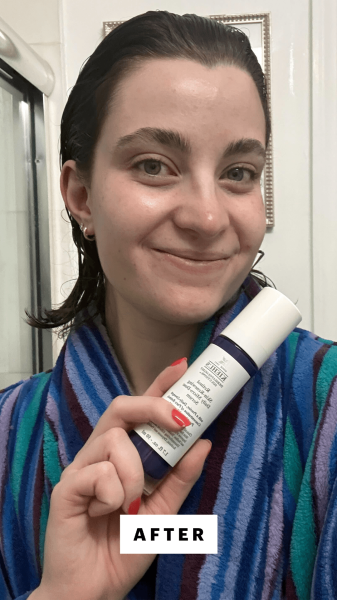
Felbin after applying the Kiehl’s Micro-Dose Anti-Aging Retinol Serum
Sarah Felbin
Tester feedback from senior commerce editor Sarah Felbin
LargeChevron
“My super-sensitive, combination skin absolutely drinks this stuff up. It's really thin, lightweight, and not greasy, so it layers well with the rest of my products. And the results are pretty impressive: My dark spots are fading, and my breakouts are few and far between. I was a retinol newbie when I started using this product, and I'm glad this was my first experience—I didn't notice any redness or dry patches after I started using iow on my third bottle.” —Sarah Felbin, senior commerce editor
More to know
LargeChevron
- Other key ingredients: ceramides, peptides, niacinamide
- Who it’s for: retinol beginners
- Fragrance-free: yes
- Retinol concentration: 0.1%
Best for Sensitive Skin: Wildfleur Pure Retinol 0.3% + Bakuchiol Renewing Serum
 Save to wishlist
Wildfleur
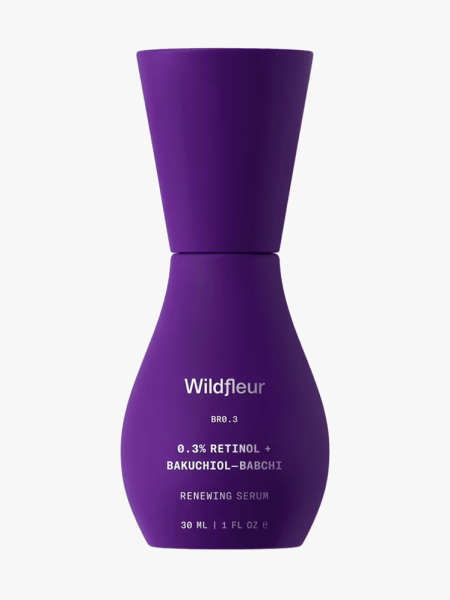
Pure Retinol 0.3% + Bakuchiol Renewing Serum
Ulta Beauty
Why it’s worth it: Wildfleur’s Pure Retinol 0.3% + Bakuchiol Renewing Serum combines a low dose of retinol (0.3%) with bakuchiol, a plant-derived alternative to retinol known to be gentler, making it a worthwhile option for easily-irritated skin. The actives join forces to smooth and even out your skin’s texture and tone. Meanwhile, ingredients like hyaluronic acid, panthenol, and squalane pack a hydrating punch, and soothing ones—hi, chamomile extracts, Centella asiatica (a.k.a. cica), and aloe—make sure your skin stays chill and unbothered.
Allure editor-in-chief Jessica Cruel applying the Wildfleur Pure Retinol 0.3% + Bakuchiol Renewing Serum
Jessica Cruel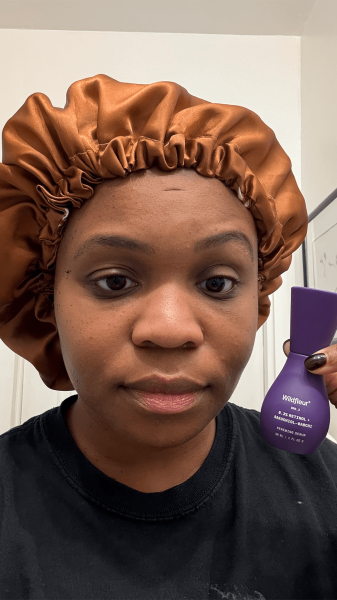
Cruel after applying the Wildfleur Pure Retinol 0.3% + Bakuchiol Renewing Serum
Jessica Cruel
Tester feedback from editor-in-chief Jessica Cruel
LargeChevron
“This night serum from Wildfleur is one that I recommend to retinol beginners. First of all, because it is less than $30. Second of all, because it is the most gentle retinol I've tried, with both pure retinol and bakuchiol (a favorite retinol alternative) on the ingredient list. I like to use it after my hyaluronic serum and before my night moisturizer. The consistency is thicker than most serums, but it leaves a matte finish. After two weeks of use—including a bit of a purging breakout—a makeup artist was raving about my flawless skin texture.” —Jessica Cruel, editor-in-chief
More to know
LargeChevron
- Other key ingredients: bakuchiol, caffeine, hyaluronic acid, panthenol, squalane, chamomile extracts, Centella asiatica (cica), aloe, calendula extracts, niacinamide
- Who it's for: anyone with sensitive skin who’s worried about irritation
- Fragrance-free: yes
- Retinol concentration: 0.3% (pure retinol)
Best Exfoliating: Shani Darden Retinol Reform
 Save to wishlist
Shani Darden
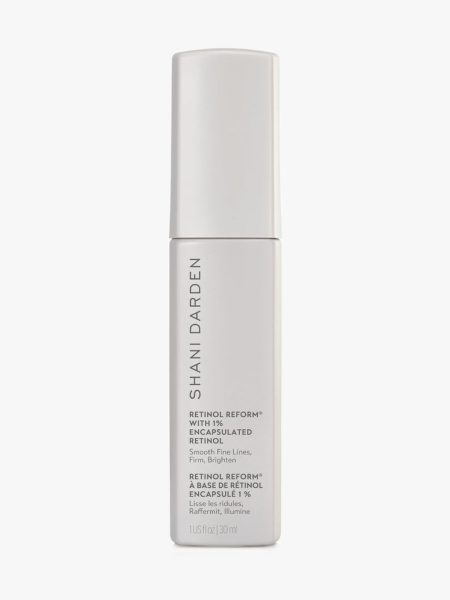
Retinol Reform
Amazon
Sephora
Revolve
Why it’s worth it: Dr. Kim recommends the Allure Best of Beauty-winning Shani Darden Retinol Reform to those "who can't tolerate prescription retinoic acid or more robust, over-the-counter retinol." Like some of our other picks, it features gentle encapsulated retinol, plus exfoliating alpha hydroxy acids (AHAs) and brightening prickly pear extract to help speed up cell renewal for some serious glow. Dr. Kim recommends applying two pumps to the face and one to the neck, followed by a calming serum and/or moisturizer for optimal results. You might experience some initial tingling, but he assures us that your skin will become tolerant to the formula quickly and there won't be any flakiness or redness in the meantime.
Tester feedback from senior news editor Nicola Dall’Asen
LargeChevron
“The fact that this yellow, jellied serum is a Best of Beauty winner should tell you enough as it is, but I'll moon on anyway. Most retinol formulas leave my skin red and aching the morning after application, but this one houses aloe vera, glycerin, and rosemary leaf extract to hydrate and soothe, leaving behind fresh-looking skin that's not tight-feeling or itchy every single time I use it. It’s the rare retinol formula that is effective yet gentle, and it boosts its key ingredient with line-smoothing alpha hydroxy acids, too. It does not contain any harsh fragrances that could offset my sensitive skin. If I could keep bulk stashes of it, I would become the Willy Wonka of retinol and hand it out to everyone who's ever asked why my skin is looking so good these days.” —Nicola Dall’Asen, senior news editor
More to know
LargeChevron
- Other key ingredients: apple fruit extract, aloe, niacinamide, sunflower extract, Lactobacillus ferment
- Who it's for: normal, oily, or combination skin
- Fragrance-free: no, contains less than 1% synthetic fragrance
- Retinol concentration: 1%
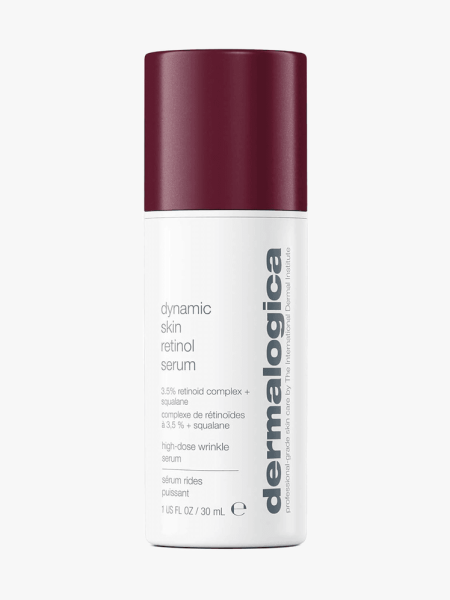
Best for Mature Skin: Dermalogica Dynamic Skin Retinol Serum
 Save to wishlist
Dermalogica
Dynamic Skin Retinol Serum
Amazon
Dermstore
Ulta Beauty
Why it’s worth it: Unlike many retinol serums that can leave mature skin feeling tight and flaky, Dermalogica’s Dynamic Skin Retinol Serum delivers powerful wrinkle-smoothing results with minimal side effects. “This is a great retinol serum for minimizing fine lines and addressing texture concerns while keeping skin comfortable and calm,” says Anna Chacon, MD, a board-certified dermatologist based in Miami. The formula features a 3.5% retinoid complex—the highest concentration on this list—to help soften wrinkles, even out tone, and boost radiance. But what sets it apart is how gentle and moisturizing it feels, thanks to squalane, which replenishes lipids and locks in hydration. Meanwhile, oat-derived beta-glucan supports the skin barrier and calms redness, both of which are essential for mature or sensitive complexions prone to dryness.
More to know
LargeChevron
- Other key ingredients: squalane, oat-derived beta-glucan
- Who it's for: people with fine lines, wrinkles, or uneven texture
- Fragrance-free: yes
- Retinol concentration: 3.5% retinoid complex
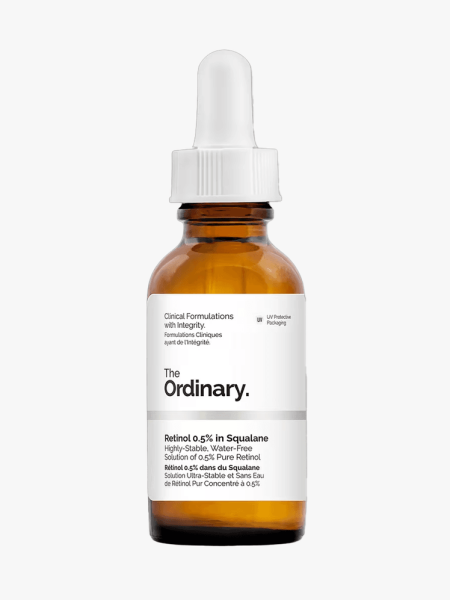
Best Hydrating: The Ordinary Retinol 0.5% in Squalane
 Save to wishlist
The Ordinary
Retinol 0.5% in Squalane
Amazon
Ulta Beauty
Why it’s worth it: The Ordinary’s Retinol 0.5% in Squalane is a budget-friendly pick for anyone ready to graduate to a mid-strength serum. The 0.5% pure retinol supports cell turnover to help improve uneven tone, refine texture, and soften fine lines. Even seasoned retinoid users can experience dryness when stepping up in strength, but this formula’s squalane base helps counter that by mimicking skin’s natural oils, reinforcing the moisture barrier to lock in lasting hydration. “It’s an oil-like serum, so it feels a little richer and more moisturizing on the skin,” says Hannah Kopelman, MD, a board-certified dermatologist based in New York City. “Gentle enough for those moving up from very low-strength formulas, it delivers smoother, more radiant skin over time,” she adds. Jojoba seed oil adds even more lightweight nourishment with vitamins and fatty acids that smooth and soften skin.
More to know
LargeChevron
- Other key ingredients: squalane, jojoba seed oil, tomato fruit extract
- Who it's for: frequent retinoid users looking to target early signs of aging and uneven texture
- Fragrance-free: yes
- Retinol concentration: 0.5%
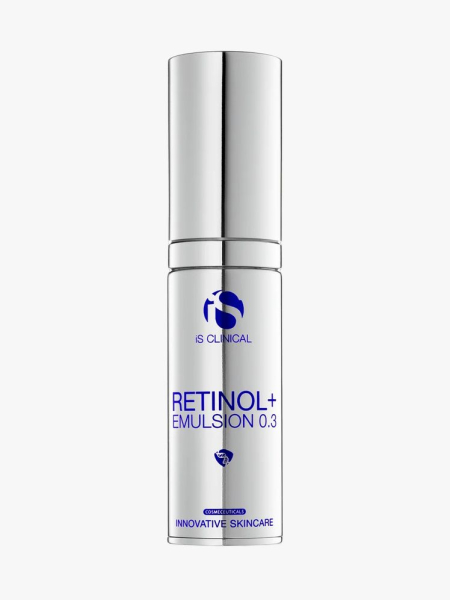
Best for Fine Lines and Wrinkles: iS Clinical Retinol+ Emulsion 0.3
 Save to wishlist
iS Clinical
Retinol+ Emulsion 0.3
Amazon
Bluemercury
Why it’s worth it: iS Clinical’s Best of Beauty Award-winning Retinol+ Emulsion 0.3 is the type of no-nonsense formula we rely on for consistent results. In the lightweight yet creamy formula, 0.3% retinol is paired with bakuchiol, a plant-based retinol alternative that also helps speed up cell turnover and encourage collagen production. The one-two punch works twice as hard to smooth out fine lines and wrinkles around your eyes, mouth, and forehead. Also present: moisturizing squalane and shea butter (bye, dryness), brightening vitamin C, and ectoin, an amino acid that helps protect skin cells from environmental damage. Just note that it does contain fragrance, so if you have super-sensitive skin, we recommend opting for one of our fragrance-free picks instead.
Tester feedback from former content director Kara McGrath
LargeChevron
“A retinol is a win in my book if it doesn't irritate my skin overnight. When I woke up after using this one, my complexion was glowing.” —Kara McGrath, former content director
More to know
LargeChevron
- Other key ingredients: squalane, ectoin, bakuchiol, shea butter, vitamin C
- Who it’s for: people with fine lines and wrinkles—not ideal for those with sensitive skin
- Fragrance-free: no
- Retinol concentration: 0.3%
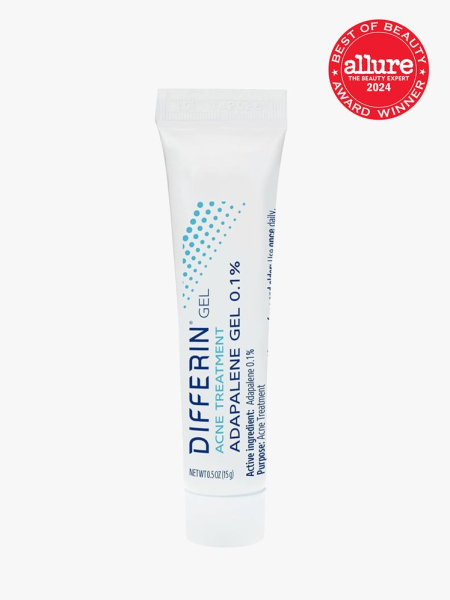
Best for Acne: Differin Adapalene Gel 0.1%
 Save to wishlist
Differin
Adapalene Gel 0.1%
Amazon
Walmart
Why it’s worth it: Since it became available over the counter, Differin’s Adapalene Gel 0.1% has taken home not one, not two, but seven Best of Beauty Awards. Over years of testing, we’re continually impressed by how well it clears clogged pores and reduces breakout-related inflammation. The main ingredient, 0.1% adapalene (a synthetic retinoid), helps fade dark marks left behind by acne and prevent future pimples from popping up. The results? More even skin tone and texture, with a side of glow.
Tester feedback from senior director of commerce audience & analytics Lexi Herrick
LargeChevron
"As someone who has spent many years testing and trying various acne-targeting routines, this gel is comparable to prescription treatments. It's fast-acting, and when paired with a hydrating moisturizer, it doesn't cause any dryness. It really does keep breakouts at bay.” —Lexi Herrick, senior director of commerce audience & analytics
More to know
LargeChevron
- Other key ingredients: propylene glycol (a humectant)
- Who it’s for: anyone with active breakouts or hyperpigmentation from acne
- Fragrance-free: yes
- Retinol concentration: 0.1% retinoid
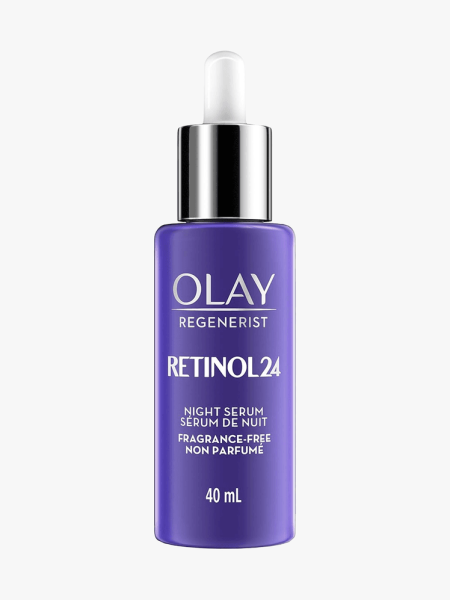
Best Drugstore: Olay Regenerist Retinol 24 Night Serum
 Save to wishlist
Olay
Regenerist Retinol 24 Night Serum
Amazon
Walmart
Why it’s worth it: Olay’s Regenerist Retinol 24 Night Serum pairs vitamin A with barrier-loving hydrators, so you get the smoothing, brightening benefits without the irritation or dryness (or the steep price tag). “It uses a blend of retinol and retinyl propionate, which makes it potent but still very tolerable for daily use,” says Dr. Kopelman. The fragrance-free formula also includes niacinamide and glycerin to hydrate and support the skin barrier as it helps smooth fine lines, brighten dullness, and even tone. “The texture is silky and fast-absorbing, leaving no sticky residue, and it layers well under a night cream,” she adds.
More to know
LargeChevron
- Other key ingredients: niacinamide, glycerin
- Who it's for: everyone
- Fragrance-free: yes
- Retinol concentration: not disclosed
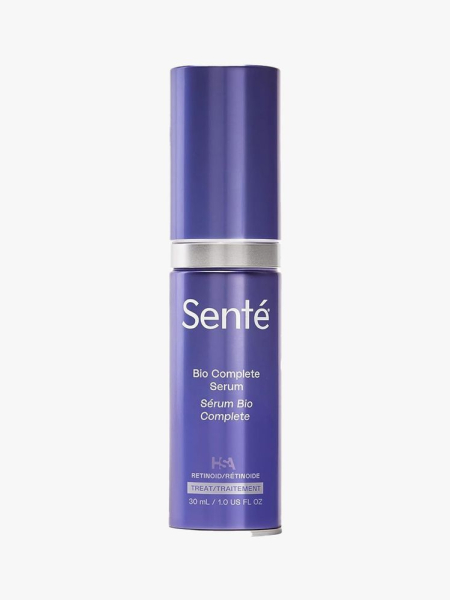
Best for Dry Skin: Senté Bio Complete Serum
 Save to wishlist
Senté
Bio Complete Serum
Amazon
Dermstore
Why it’s worth it: We get that retinol can seem intimidating—after all, potential side effects include peeling, redness, and dryness as your skin adjusts and builds tolerance. And just because these effects are par for the course doesn't mean they’re not annoying to deal with. Senté's Bio Complete Serum is super hydrating, making it an ideal choice for people with dry skin. “I love this as a beginner retinol because it incorporates heparan sulfate analog, which provides extensive hydration to offset potential dryness,” explains Mamina Turegano, MD, a triple-board-certified dermatologist based in New Orleans. The formula also has vitamin C to reduce discoloration and peptides to plump the appearance of fine lines. In short, what can't it do?
More to know
LargeChevron
- Other key ingredients: heparan sulfate analog, vitamin C, peptides
- Who it's for: people with dry skin
- Fragrance-free: no
- Retinol concentration: not disclosed
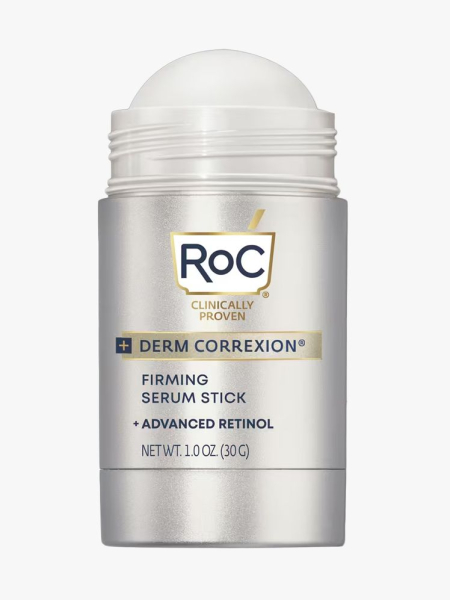
Best for Body: RoC Derm Correxion Firming Serum Stick
 Save to wishlist
RoC
Derm Correxion Firming Serum Stick
Amazon
Ulta Beauty
Why it’s worth it: Retinol’s skin-renewing powers aren’t limited to just your face. RoC’s Derm Correxion Firming Serum Stick is meant to be used all over, from the neck down. The formula mixes retinol with hydrating glycerin, glow-boosting vitamin C, and antioxidant-packed cranberry fruit extract, plus firming tetrahydroxypropyl ethylenediamine (THPE) for softer, smoother, more even-looking skin over time. Hallie McDonald, MD, a board-certified dermatologist based in Austin, loves how easy the roll-on packaging is to use. Slather it on twice a day without the hassle of having to blend in a sticky serum or a greasy lotion. Don’t forget the backs of your hands—and make sure to apply a sunscreen that’s at least SPF 30 afterwards.
More to know
LargeChevron
- Other key ingredients: glycerin, vitamin C, cranberry fruit extract
- Who it’s for: everyone
- Fragrance-free: yes
- Retinol concentration: not disclosed
Frequently Asked Questions
What are the most common types of retinol found in skin-care products?
The topical retinoids most commonly used in skin care are retinoic acid, retinol, retinyl esters, and retinaldehyde. As for their benefits, "[retinoids] are keratolytics, which means they increase skin cell turnover and are known to stimulate collagen synthesis," Sheila Farhang, MD, a board-certified dermatologist based in Tucson, told Allure.
While retinoic acid (also known as tretinoin) is only found in prescription formulas, retinol is the most common vitamin A derivative that pops up in over-the-counter (OTC) skin-care products—and it's arguably just as effective. "There's a lot of literature showing that while retinol is more gentle than retinoic acid, biochemically it does exactly the same thing—it may just take longer to see results," Dana Sachs, MD, a board-certified dermatologist based in Perrysville, Ohio, told Allure.
You might be surprised to learn this, but retinaldehyde (often referred to as retinal) is actually closer in efficacy to retinoic acid than retinol is, as "[retinal] can be directly converted to retinoic acid and is more stable than retinol," Dr. Kim explains.
On the other hand, there’s also a group of retinyl esters that are gentler on the skin but less effective. "Products that are designed for sensitive skin typically have retinyl palmitate (a type of pro-retinol), but because it has to be converted to retinol before it becomes retinoic acid (the active form), it is not as potent as retinol," Dr. Kim explains.
What concentrations do you recommend for patients just starting out with retinoids?
Even for beginners, there's no one correct dosage. "If they have sensitive skin, I typically start them on 0.25% and have them use it twice a week," Dr. Kim recommends. "If they have regular skin, I start them on 0.5% twice weekly, and if they have really oily skin, I typically start them on a prescription retinoic acid twice weekly right away."
In terms of incorporating retinoids into your serums versus creams, it's up to your personal preferences. However, some dermatologists, including Dr. Chang, prefer retinol serums followed by a soothing moisturizer to minimize any potential side effects such as irritation, dry skin, or flaking.
What active ingredients should be avoided when using retinol?
Dr. Kim cautions against using any exfoliating acids, including AHAs (like glycolic and lactic acid), BHAs (like salicylic acid), and PHAs, as they can further irritate the skin. However, if you'd like to incorporate both without causing irritation and inflammation, try alternating days between the two types of formulations.
What’s a must? Sunscreen. Even though you already should be wearing sunscreen with SPF 30 or higher every single day (rain or shine; indoors or outdoors), retinol "makes your skin more easily prone to burning," as Dr. Chang noted, so it’s even more critical to layer up.
How often should you be using a retinol serum?
In an ideal world, every night, according to Dr. Kim. But for those who can't, he recommends two to three times a week. "For patients trying to improve and target hyperpigmentation, I have them alternate gentle acids and retinol every other day."
If you have sensitive skin, try the dermatologist-approved sandwiching technique. All it takes is a layer of moisturizer before and after your retinol of choice to soften the blow, so to speak. And fret not: "Studies have shown that this base layer of moisturizer does not dilute or reduce the efficacy of the retinoid, but instead helps with tolerability," says New York City-based board-certified dermatologist Shari Marchbein, MD.
As for the morning, while you don't need to reach for a cleanser to wash off retinol products, Dr. Kim recommends that everyone wash their face with lukewarm (not hot) water in the morning to rinse away sweat accumulated while sleeping.
Does retinol help with acne?
In short, yes. Because retinoids boost cell turnover, they do a fantastic job unclogging pores and targeting uneven texture. "Higher levels of retinol (0.5% or higher) or prescription-strength retinoic acid are the most effective at making the biggest difference," Dr. Kim notes, adding that these concentrations will also “improve hyperpigmentation and acne scars.”
Can you apply retinol anywhere other than your face?
Absolutely. “Retinol can help improve texture, crepiness, and hyperpigmentation on all areas of the skin,” says Nazanin Saedi, MD, a double board-certified dermatologist based in Plymouth Meeting, Pennsylvania. She recommends using a retinol product on your neck, chest, arms, and legs, in addition to your face.
Which moisturizer should you use with a retinol?
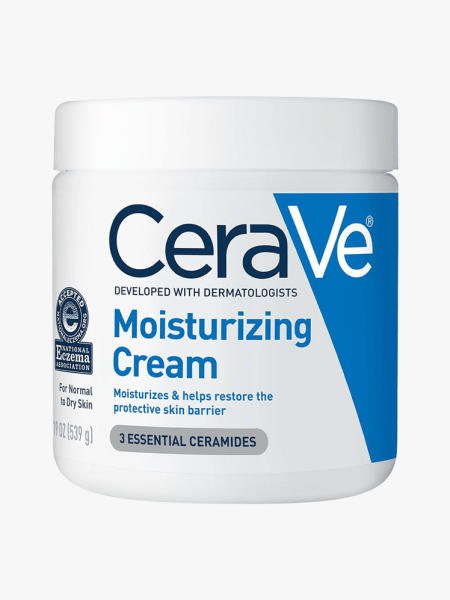
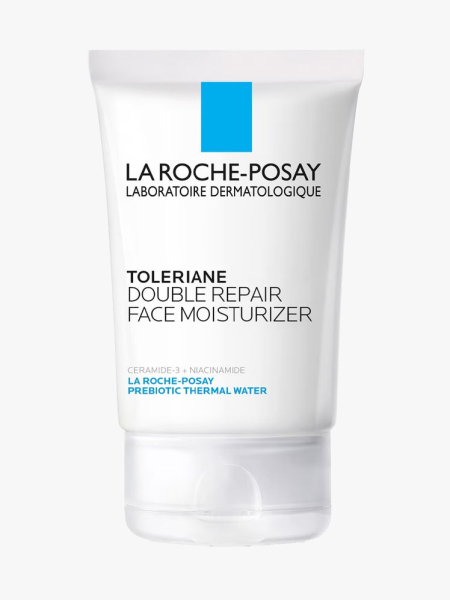
Don’t overthink it. Dr. Saedi recommends looking for something with soothing, skin barrier-focused ingredients that can combat the irritation and dryness you might notice when you first start (or increase) your retinol usage. Check the packaging for restorative ceramides and redness-reducing niacinamide. Her top picks? CeraVe’s Moisturizing Cream and La Roche Posay’s Toleriane Double Repair Face Moisturizer, which are both easy to find at the drugstore.
 Save to wishlist
CeraVe
Moisturizing Cream
Amazon
Ulta Beauty
 Save to wishlist
La Roche-Posay
Toleriane Double Repair Face Moisturizer
Amazon
Ulta Beauty
Meet the experts
- Vivian Bucay, MD, a board-certified dermatologist and founder of Bucay Center for Dermatology and Aesthetics, based in San Antonio
- Anna Chacon, MD, a board-certified dermatologist based in Miami
- Caroline Chang, MD, a board-certified dermatologist based in East Greenwich, Rhode Island and the founder of Rhode Island Dermatology Institute
- Sheila Farhang, MD, a board-certified dermatologist based in Tucson and founder of Avant Dermatology & Aesthetics
- David Kim, MD, a board-certified dermatologist based in New York City and founder of Lightsaver
- Hannah Kopelman, MD, a board-certified dermatologist at Kopelman Hair Restoration based in New York City
- Shari Marchbein, MD, a board-certified dermatologist based in New York City
- Dana Sachs, MD, a board-certified dermatologist based in Perrysburg, Ohio
- Mamina Turegano, MD, a triple-board-certified dermatologist based in New Orleans
- Nazanin Saedi, MD, a double board-certified dermatologist based in Plymouth Meeting, Pennsylvania
- Hallie McDonald, MD, a board-certified dermatologist based in Austin and the cofounder of Erly
How we test and review products
When Allure tests a product, our editors look at it from every angle in an effort to best serve you. We review ingredients, scrutinize brand claims, and, when necessary, examine peer-reviewed scientific and medical studies. In addition to testing each and every product that’s included in each and every review, we rely on experts who shape their fields, including dermatology, cosmetic chemistry, and medicine, to help us vet the ingredients and formulas.
For our list of the best retinol serums, we considered each product’s performance across five primary categories: product ingredients and efficacy, packaging, fragrance, texture, and product wear. Every product was determined to have excelled in each category by our editorial team, which is composed of in-house writers and editors as well as contributors—along with special consideration from dermatologists. To learn more information on our reporting and testing processes, read our complete reviews process and methodology page.
Our staff and testers
A beauty product is a personal purchase. You might be searching for a face cream to address persistent dryness or a new nail product to add to your Sunday self-care routine; you may simply be browsing around for the latest launches to hit the hair market. No matter what you seek or your individual needs and concerns, Allure wants to ensure that you love anything we recommend in our stories. We believe that having a diverse team of writers and editors—in addition to the wide range of outside testers and industry experts we regularly call upon—is essential to reaching that goal.
After all, can we really say a skin-care product is the “best” for people over 50 if the only testers we’ve solicited opinions from folks who have yet to hit 30? Can we honestly deem a high-end diffuser worthy of your hard-earned cash if it’s never been tested on curls? We’re proud that our staff spans a wide range of ages, skin tones, hair textures, genders, and backgrounds, which means that we are able to fairly assess any beauty product that comes into the beauty closet.
Leave a Reply